
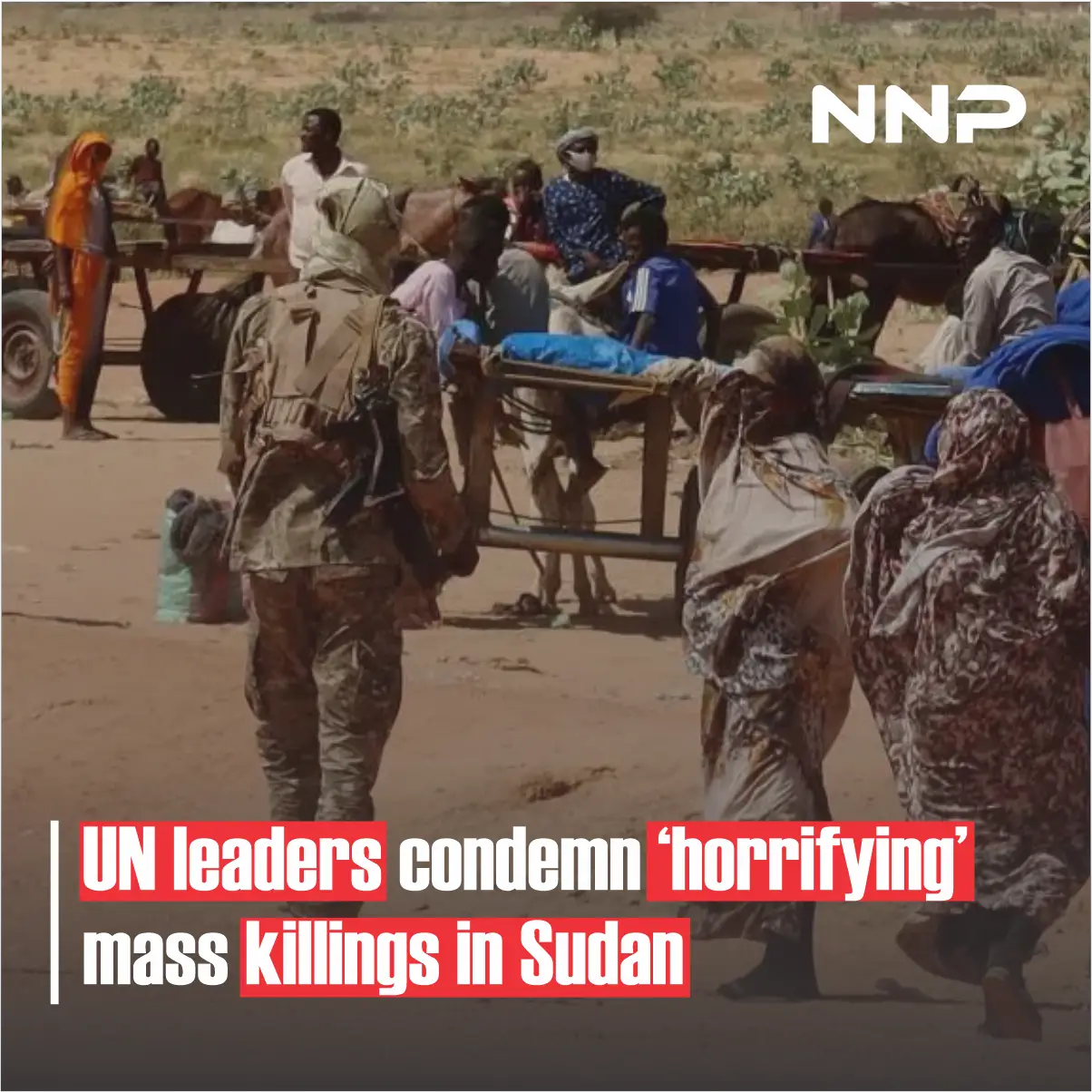
In a swift-moving escalation, the city of El Fasher in North Darfur, Sudan, has become the epicentre of one of the most shocking humanitarian scenes yet witnessed in the country’s ongoing war.
Here are the key facts as reported:
- On Sunday, the paramilitary force Rapid Support Forces (RSF) took control of El Fasher, the last major stronghold of the regular army in the region.
- Since the takeover, numerous credible reports indicate mass killings, house-to-house searches, summary executions and targeted ethnically-motivated violence.
- One specific atrocity: At the Saudi Maternity Hospital in El Fasher, reports say at least 460 people—patients and their companions—were killed when the facility came under siege and attack amid the broader takeover.
- Communications are cut off, civilian escape routes are blocked, and the United Nations describes the situation as “an even darker hell”.
- The broader conflict: The war between the RSF and the Sudanese Armed Forces (SAF) which began in April 2023 has already triggered massive displacement. The fall of El Fasher is seen as a major turning point.
Condemnation & urgency
- Martha Ama Akyaa Pobee, Assistant Secretary-General for Africa at the UN, told the Security Council: “The situation is simply horrifying.” She warned of mass atrocities and ethnically-targeted violence in El Fasher.
- Tom Fletcher, the UN humanitarian chief, said the city had “descended into an even darker hell”, referencing hundreds of unverified yet highly credible reports of executions and abductions.
- The UN Security Council in an emergency session condemned atrocities against civilians, including extrajudicial killings and arbitrary detentions.
Calls to action
- The UN specifically pointed to the flow of weapons and external support into the RSF as a key driver of the escalation.
- Sudan’s own ambassador to the UN noted the pattern of “systematic” violence by the RSF, accusing them of ethnic cleansing.
- Experts and rights groups are calling for an immediate arms embargo, humanitarian corridors, and accountability mechanisms for perpetrators.
Why This Matters
A Return to the Worst of Darfur
The RSF has roots in the Janjaweed militias of the early 2000s Darfur conflict. Analysts say the patterns—house-to-house searches, targeted non-Arab ethnic groups, mass graves—echo that tragic era.
The Humanitarian Toll
- With El Fasher under siege and communications cut, access for humanitarian aid is extremely limited.
- Millions have already been displaced from Darfur; this takeover threatens a fresh wave of displacement.
- The destruction of a hospital and targeting of civilians further undermine the capacity of the region to protect vulnerable populations.
From Local to Regional Impact
- Darfur is historically volatile; the fall of El Fasher may destabilise adjoining regions like North Kordofan, and heighten cross-border flows of refugees into Chad and elsewhere.
- International involvement is increasingly viewed as ambiguous: while some external players publicly call for peace, others are accused of enabling or supplying the RSF.
Implications for Global Norms
- The UN’s strong language—mass killings, ethnic violence, “hell”-like conditions—raises the spectre of genocide or crimes against humanity.
- The situation tests the ability and willingness of the international community to prevent atrocities before they escalate further.