
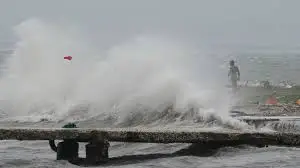
In the wake of the catastrophic Category 5 storm that made landfall this week, Jamaicans are waking to scenes of widespread destruction, disrupted lives and shattered infrastructure. The Caribbean island nation has been battered by the greatest hurricane in its recorded history — one that has brought torrential rain, devastating winds, power blackouts and entire communities cut off.
The Damage Unfolds
The storm struck western Jamaica at full force, with sustained winds reaching around 298 km/h (185 mph) at landfall. The Guardian+2VnExpress International+2 Communities in parishes such as St. Elizabeth and Westmoreland are now described as being “under water.” Stabroek News+1
In the city of Montego Bay — a major tourism hub on the north-coast — the scale of the flooding was so severe that the city has effectively been split in two. Roads were rendered impassable as floodwaters inundated the north-south arteries of the city. Mayor Richard Vernon described how one side of the city is cut off from the other. Antigua News Room
The power grid has been brought to its knees. More than 530,000 customers — around three-quarters of the island’s households — are reported as without electricity. EL PAÍS English+1 The lack of power has hampered communications and emergency response, compounding the crisis.
Homes and infrastructure have not been spared: roofs torn away, trees uprooted, hospitals and major public buildings damaged. One local-government official likened the scene to that of an “apocalypse movie.” saudigazette+1 In the town of Black River, St Elizabeth, multiple families remain trapped by floodwaters. Stabroek News
Government Response & Emergency Measures
Prime Minister Andrew Holness has declared the entire nation a disaster area, granting emergency powers for evacuations, price-controls and rapid deployment of response teams. Stabroek News+1 Local Government Minister Desmond McKenzie has confirmed that rescue teams are being hindered by blocked roads and dangerous conditions. EL PAÍS English
Meanwhile, international assistance is mobilising: the United Kingdom has announced deployment of the naval vessel HMS Trent and rapid-response teams to aid Jamaica’s recovery efforts. upday.com
Impacts on Economy & Agriculture
The storm’s impact on Jamaica’s bread-basket region of St Elizabeth is particularly troubling. Large areas of farmland are submerged, destroying crops, affecting food supply and imperilling farmers’ livelihoods. One vegetable-farmer sheltered with her family after the roof of her home was ripped off during the storm. saudigazette
Tourism — a major pillar of the Jamaican economy — is also poised for major disruption. With Montego Bay’s infrastructure compromised and roads flooded, the immediate economic toll looms large. Sott.net
Why the Damage Is So Severe
Meteorologists point to several factors that magnified the destruction:
- Rapid intensification: The hurricane strengthened extremely quickly, giving less time for preparation. Antigua News Room+1
- Slow forward movement: The storm moved slowly, prolonging rainfall and wind exposure over vulnerable terrain. The Times of India
- Infrastructural vulnerability: As Prime Minister Holness noted, “there is no infrastructure in the region that can withstand a Category 5”. VnExpress International
- Climate change: Elevated sea and air temperatures in the region helped fuel the storm’s unprecedented strength. saudigazette+1
What Comes Next?
Search and rescue operations are now underway, albeit hindered by blocked roads and flood-mud. Restoring electricity and communications is a top priority, particularly for hospitals, shelters and relief coordination. The government has said that prioritisation will go to essential services. EL PAÍS English
A full damage assessment will take days — perhaps weeks. Officials warn that the true scale of fatalities and losses may not be known until access is restored to remote communities. No official death toll has yet been confirmed, though Jamaican authorities expect casualties given the level of destruction. EL PAÍS English+1
Final Word
Jamaica is grappling with what may be its worst natural disaster in generations. Flooded towns, powerless homes, cut-off cities and shattered livelihoods paint a stark picture of devastation and challenge. As residents begin to survey the aftermath, the recovery will call for massive efforts — from local resilience to international support.
The road ahead is long. The focus now is on keeping communities safe, restoring lifelines and ensuring that those stranded receive assistance. For Jamaicans, the immediate fight is survival and stabilisation. But even when the flood-waters recede and the skies clear, the path to rebuilding will be arduous and deeply felt.