
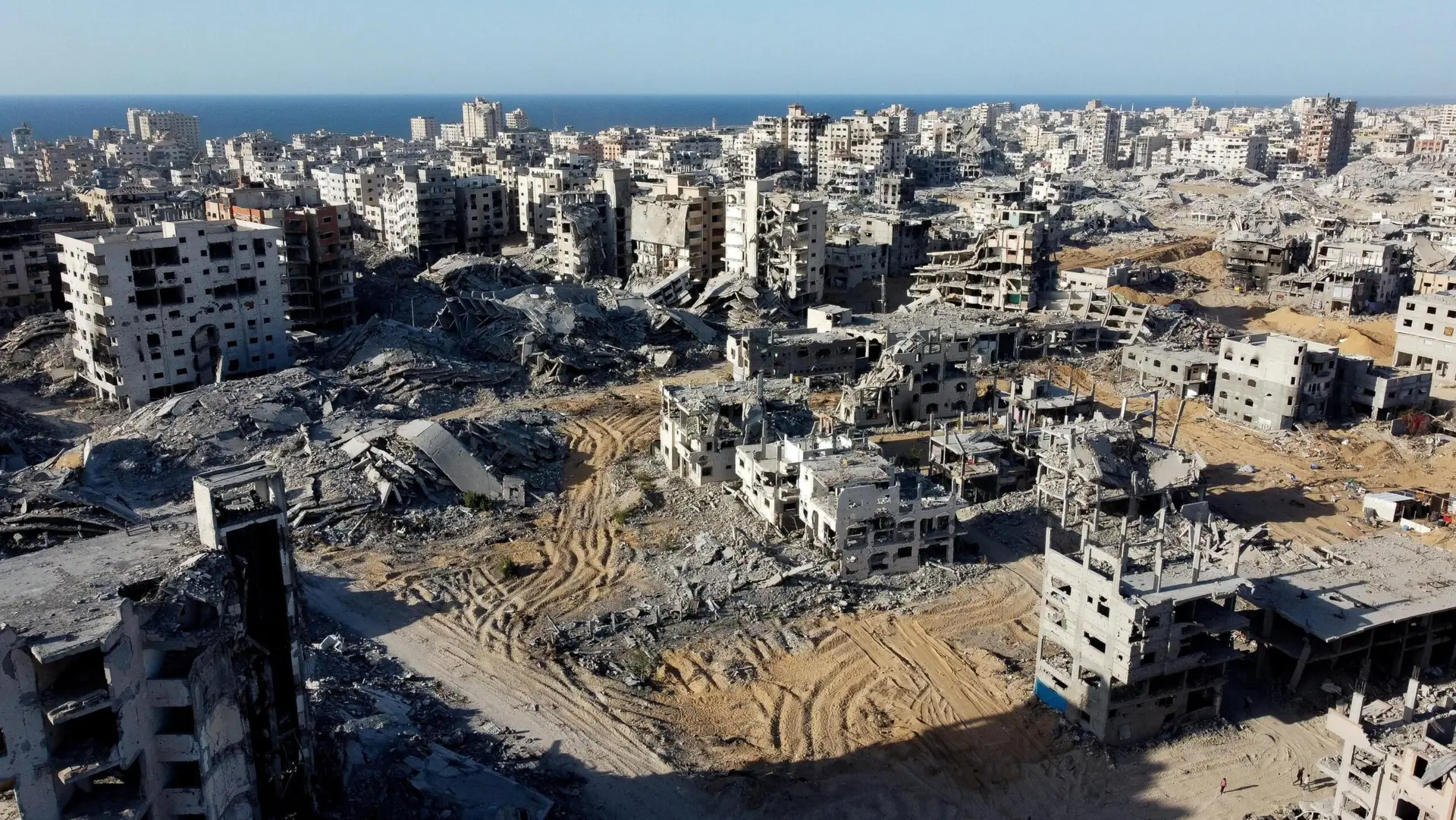
In a high-stakes moment for Middle East diplomacy, U.S. President Donald Trump announced on October 29, 2025 that the cease-fire in the Gaza Strip remains intact, even as renewed violence and air-strikes cast doubt on its durability. At the same time, Trump reiterated that Israel retains the right to respond if attacked, underscoring a delicate balance between upholding the truce and recognising military self-defence.
What Happened
The cease-fire, brokered earlier this month by the United States in cooperation with regional partners, went into effect on October 10, 2025, bringing an end to two years of devastating conflict between Israel and Hamas. However, tensions erupted when Israel accused Hamas of killing a soldier—allegedly in sniper fire—and launched air-strikes in response. Palestinian health authorities reported that at least 26 people, including civilians, were killed across various attacks in Gaza.
Addressing the media aboard Air Force One en route to Asia, Trump said:
“So the Israelis hit back, and they should hit back. When that happens, they should hit back.”
He also insisted:
“Nothing is going to jeopardise the cease-fire.”
Key Messages
- Cease-Fire Stability: Trump strongly emphasised that the truce is still operative, despite the recent flare-up of violence. He portrayed the conflict escalation as contained and manageable.
- Israel’s Right to Retaliate: Reaffirming Israel’s right to defend itself, Trump made clear that attacks against Israeli personnel warrant Israeli responses under the terms of the deal.
- Warning to Hamas: Trump used severe language toward Hamas, stating that the group “must behave” or face consequences. He said: “If they (Hamas) are good, they are going to be happy and if they are not good, they are going to be terminated.”
Reactions and Implications
Israel’s government, including Prime Minister Benjamin Netanyahu and Defence Minister Israel Katz, immediately backed the President’s comments, emphasising Israel’s intent to respond forcefully to any breach. On the Palestinian side, Hamas denied involvement in the presumed attack on Israeli forces and reaffirmed its commitment to the truce, though uncertainty remains about the full extent of its control over all militant factions.
For the global community, the latest developments highlight the fragility of the Gaza cease-fire. The fact that deadly strikes occurred less than three weeks into the truce signals that the agreement is under strain. Yet, thanks to Trump’s assurances and ongoing diplomatic efforts, there remains cautious optimism that the deal will hold.
Why This Matters
- Humanitarian Impact: The renewed violence means civilians in Gaza risk being drawn back into large-scale hostilities. Hospitals and relief agencies have warned of dire consequences if the truce collapses.
- Regional Stability: The truce has broader implications for Middle East geopolitics. A breakdown could spur wider escalation, potentially pulling in regional actors and causing ripple effects.
- Diplomatic Capital: Trump, who brokered the agreement, has staked significant credibility on its success. Maintaining the cease-fire enhances his diplomatic standing and the viability of U.S. mediation in the region.
- Leverage for Israel: Israel gains a stronger position to demand compliance from Hamas and to frame its retaliatory actions as protected under the agreement, reducing international criticism.
- Pressure on Hamas: By being publicly called out to “behave” and warned of termination, Hamas faces greater pressure to respect the truce—or risk provoking further Israeli strikes.
What to Watch Next
- Verification of Violations: Whether independent monitors can validate claims by both sides—that Hamas attacked Israeli forces and that Israel’s retaliation complied with the deal—is critical.
- Hostage Exchange & Bodies Return: One of the key pieces of the deal involves the return of hostages and the remains of the deceased. Any hiccup here could unravel trust and trigger escalation.
- International Force Deployment: Part of the broader peace plan includes the possible deployment of multinational stabilisation forces in Gaza. Israel has already said it will decide which foreign troops are acceptable.
- Sustained Cease-Fire Monitoring: Truces often fail when small provocations spiral out of control. Continued diplomatic engagement and on-the-ground monitoring will be essential.
- Humanitarian Access: Ensuring humanitarian aid access and rebuilding in Gaza is also key to stabilising the region and making the truce meaningful beyond just cessation of fire.